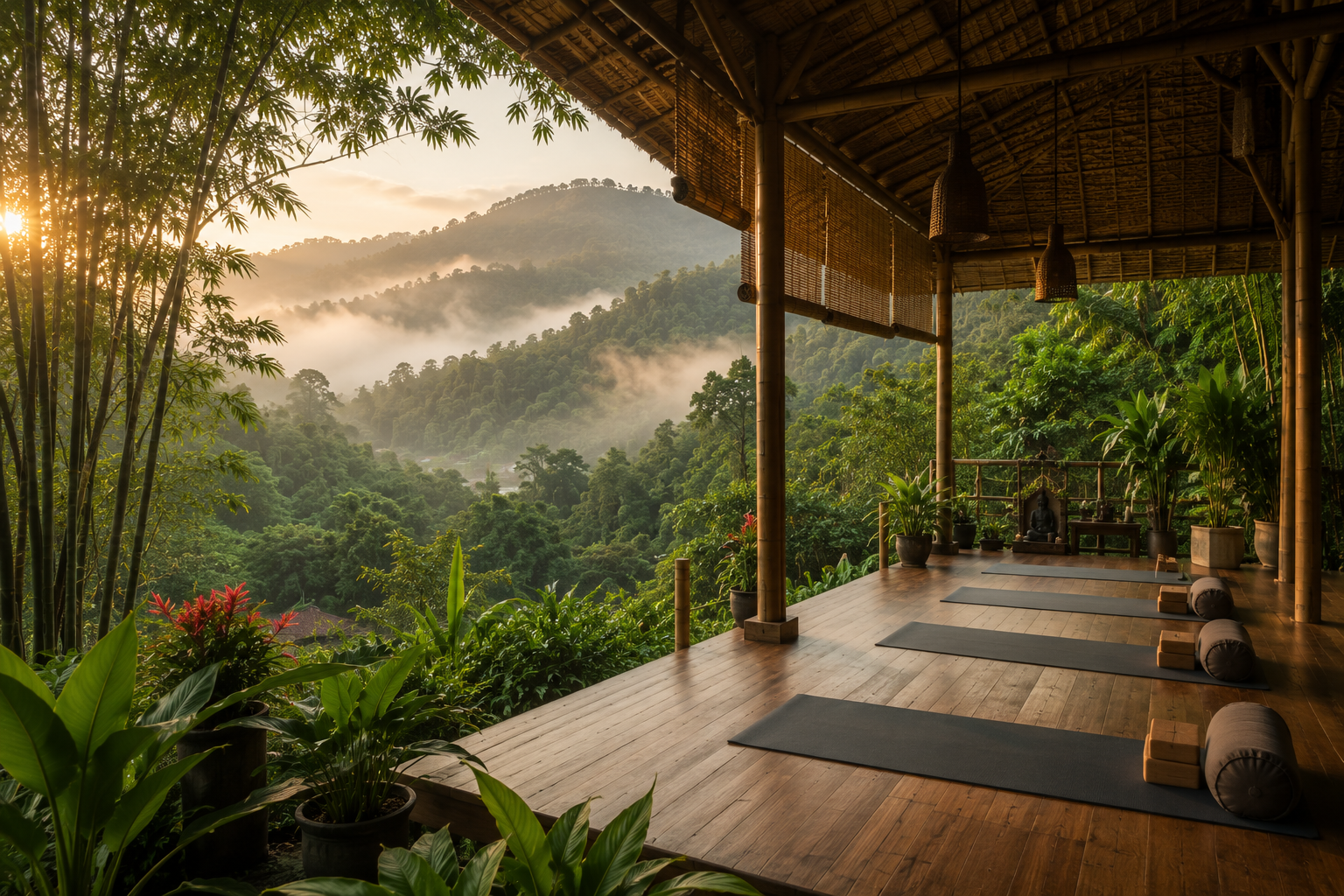
A particular type of traveller turns up in Chiang Mai every dry season. They book somewhere for three nights, stay for three weeks, and then disappear. A month or two later you might run into them on the Thalang Road in Phuket, or in a tatami room in Bangkok, or on the deck of a fishing boat off Koh Yao Noi. They have moved south. They have, in their words, finished with the north for now.
The shape of that southward drift says something useful about how the Thai wellness circuit has evolved. Chiang Mai is no longer the end of a wellness trip — it is the first stop, the slow start, the place where bodies recalibrate before getting on with the rest of the country. What people do next, and how they describe what they find, gives us a small map of where Thai bodywork is heading.
The Move South: Bangkok First
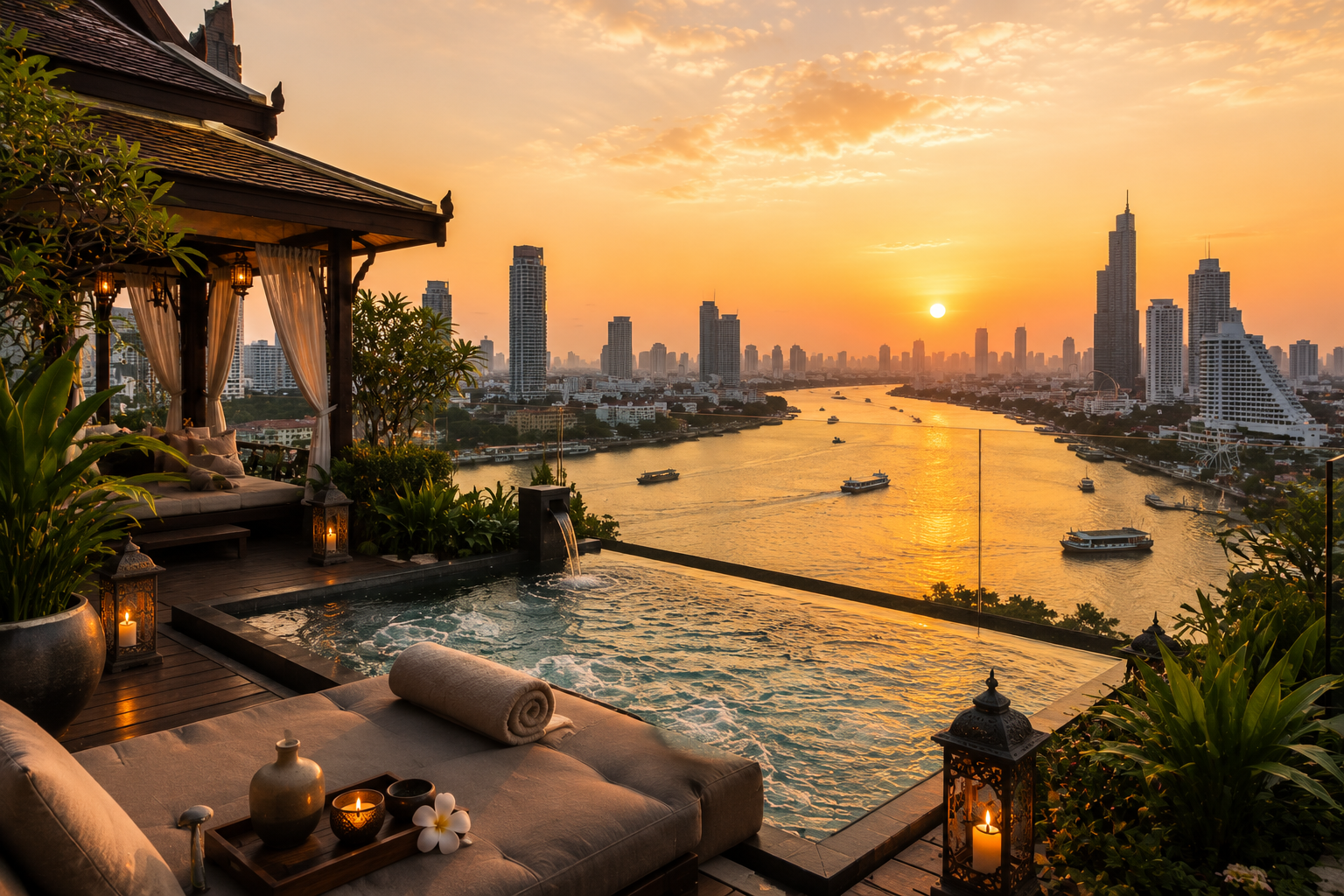
Most wellness travellers leave Chiang Mai on a sleeper train or a short morning flight to Bangkok. The plan is usually to stay three or four nights and then push on to the islands, but the city tends to absorb them for longer than they expected. Bangkok has the deepest and oldest Thai massage lineage in the country — the Wat Pho school is still the textbook reference — and the city has also developed a layer of designed wellness venues over the last decade that did not exist before.
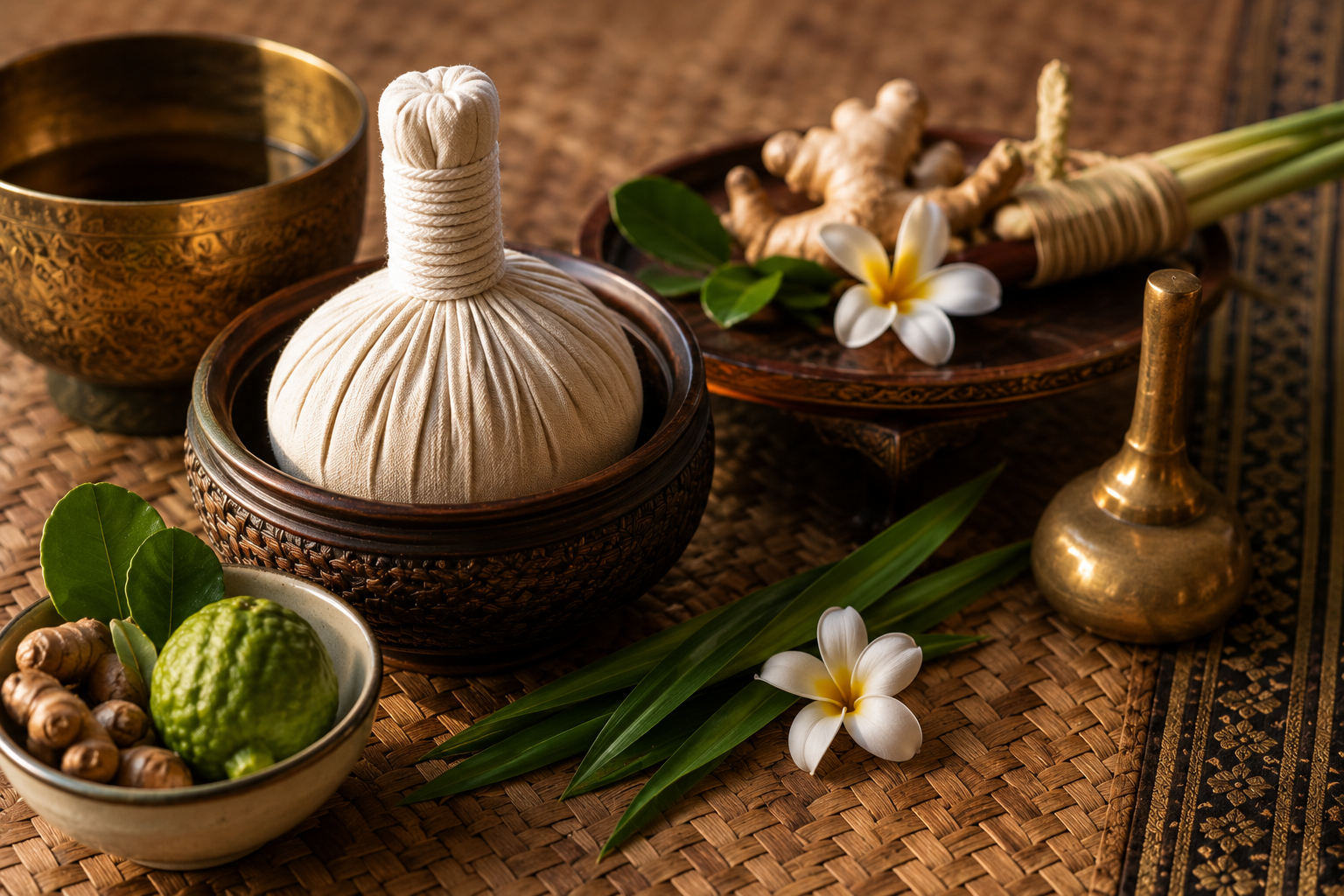
Many of the wellness travellers who pass through Chiang Mai find themselves writing afterwards about the best Bangkok massage spots they discovered down south — a different rhythm to northern bodywork, but the same Thai craft tradition. The pieces tend to compare and contrast, which is one of the most useful framings the genre has. Lanna-style work is slower and more compressive. Bangkok-style work, at the established schools, is more precise and lineage-driven. Most travellers come away with a preference, and most preferences are personal rather than universal.
The Islands: Recovery More Than Practice
From Bangkok, the wellness circuit typically splits. Some travellers head west to the Andaman coast — Phuket, Phang Nga, the Yao islands. Others go east-south to the Gulf, mostly Koh Samui and Koh Phangan. The island wellness offer is a different thing from city bodywork. The studios are smaller, the practitioners often trained somewhere else, and the work is shaped around recovery from sun, salt, and travel rather than around tradition for its own sake.
Koh Phangan in particular has built a strange ecosystem around longer-stay wellness, with detox retreats, fasting clinics, and yoga teacher trainings that run for two to four weeks at a time. The standard is uneven. The well-run places are excellent. The badly run ones are very badly run. Travellers leaving Chiang Mai tend to use the city as a base for vetting these — talking to the people who have come from the islands and asking what worked.
Why Chiang Mai Still Matters
The interesting thing, listening to travellers compare notes, is that Chiang Mai keeps coming up as the reference point. The northern city sets the bar for what slow bodywork feels like at its best — quiet rooms, deeply trained practitioners, no upselling, no rush. When travellers arrive in Bangkok or on the islands and find a studio that approaches that standard, they describe it in Chiang Mai terms. That is a strong position for the city to occupy in a national wellness market that has otherwise moved south and become more designed.
The Loop Back
Many of these same travellers return. They spend the early months of the dry season in Chiang Mai, move south for the cooler weeks in Bangkok and the islands, and come back to the north the following November. It is a circuit, not a one-way trip. The body remembers where it felt best. For a meaningful number of people, that turns out to be a small studio in a Nimman side street, run by someone who learned from her aunt, who learned from a temple practitioner, in a city that was a capital once and has not quite stopped behaving like one.